You Probably Qualify for Disability Parking and Don't Know It
 by Nida Hammad
Last updated:


Over 61 million adults in the United States live with disabilities, and accessible parking remains one of the most critical accommodations for maintaining independence and mobility. Wondering what is disability parking and who qualifies for these essential accommodations? This comprehensive guide breaks down everything you need to know about disability parking permits, eligibility requirements, and application processes.
Despite the widespread availability of disability parking programs, many individuals who qualify for permits struggle to understand eligibility requirements, application processes, and their legal rights. This confusion leads to missed opportunities for improved mobility and quality of life. Some people endure unnecessary physical strain and health risks simply because they don’t realize they qualify for accessible parking accommodations.
This comprehensive guide explains what disability parking is, details the medical conditions that qualify for permits, outlines the application process, and clarifies the legal protections and benefits available to permit holders. Whether you’re navigating a permanent disability, recovering from surgery, or caring for someone with mobility challenges, understanding disability parking regulations can dramatically improve daily functioning and independence.
What Is Disability Parking and Its Purpose
Legal Definition and Federal Requirements
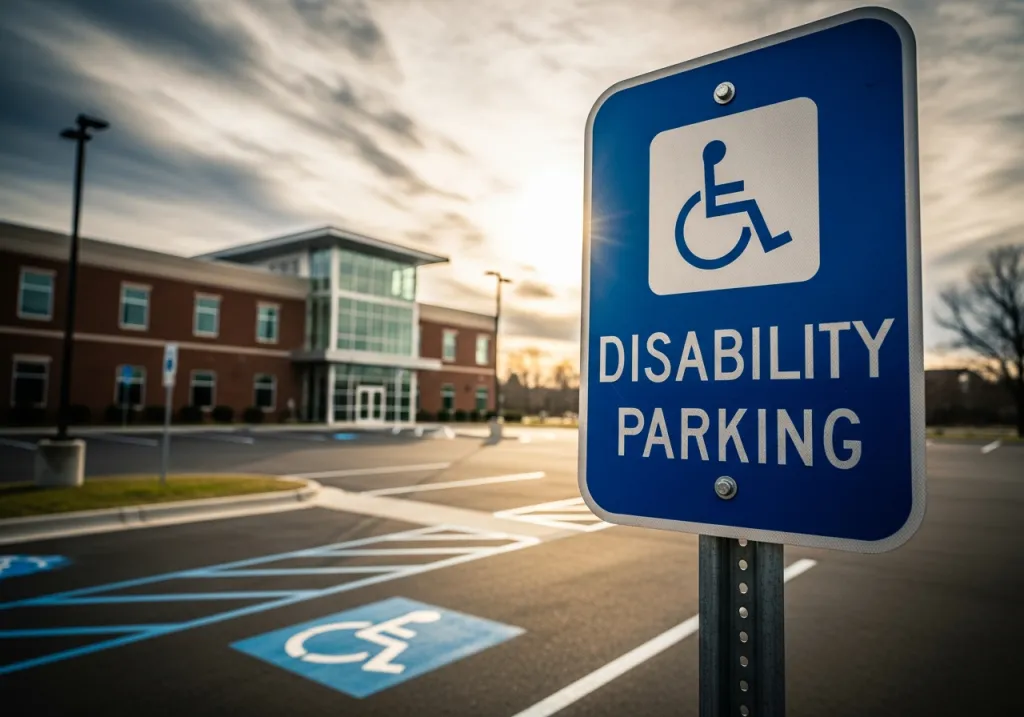
Disability parking, also known as handicap parking or accessible parking, refers to designated parking spaces reserved exclusively for individuals with qualifying disabilities or medical conditions. These accommodations are mandated by the Americans with Disabilities Act (ADA) Accessibility Guidelines in the United States and similar legislation worldwide.
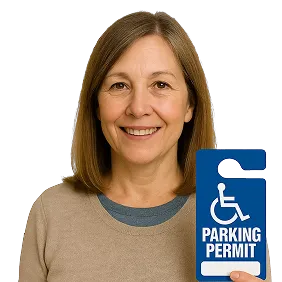
A disability parking permit, also called a disabled badge, handicapped placard, or “Blue Badge” in the European Union, is displayed when parking a vehicle to indicate the operator has permission to use special parking privileges. These privileges include parking in spaces reserved for persons with disabilities and, in some situations, parking in time-limited spaces for extended periods or at meters without payment.
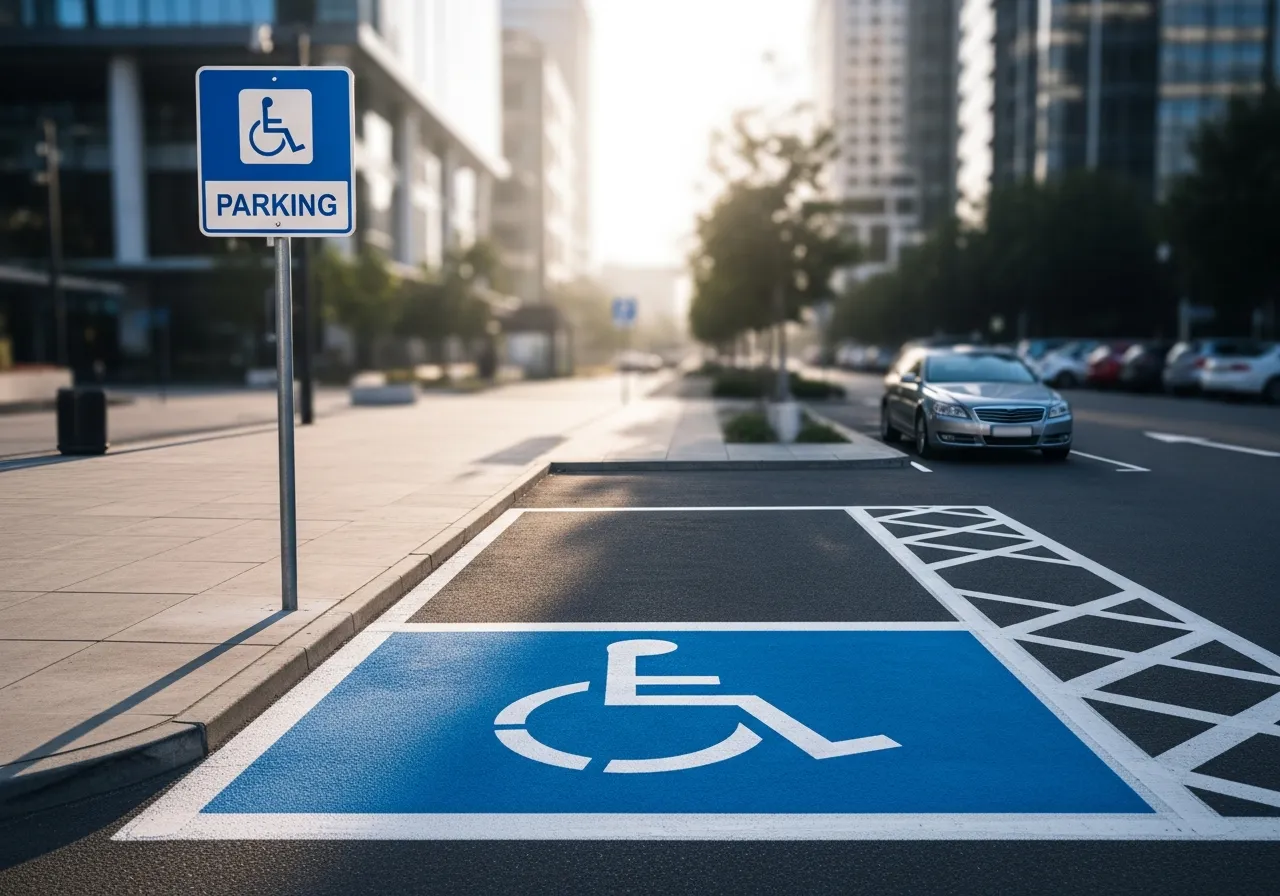
The ADA establishes minimum requirements for accessible parking spaces in public and private facilities. Reserved spaces must be located closest to accessible building entrances, feature appropriate signage with the international wheelchair symbol, and meet specific dimensional requirements to accommodate wheelchair access and mobility devices.
Types of Disability Parking Permits
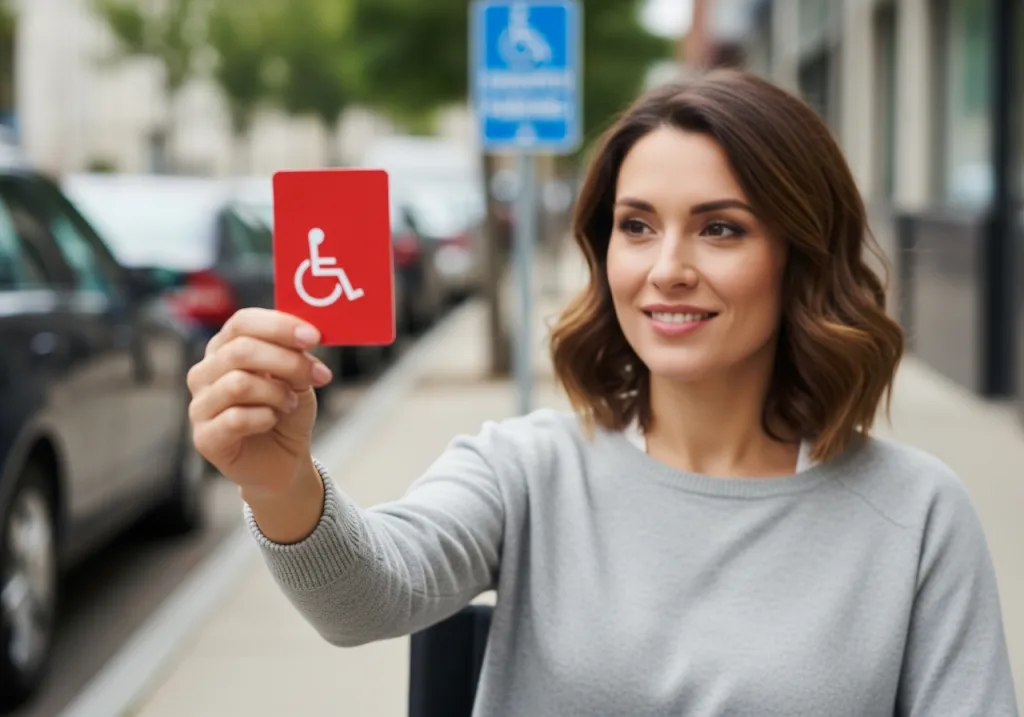
Disability parking permits generally take two primary forms:
Permanent Permits: Issued for long-term or lifelong disabilities, these permits typically remain valid for three to five years before requiring renewal. Permanent permits are designed for individuals whose medical conditions are not expected to improve significantly. In most jurisdictions, permanent permits are represented by specially marked license plates or hanging placards.
Temporary Permits: Provided for short-term disabilities lasting from three to nine months, temporary permits accommodate individuals recovering from surgery, serious injuries, or medical procedures that temporarily but severely impair mobility. Temporary permits must be renewed if the qualifying condition extends beyond the initial validity period.
License plates with disability designations are generally used for disabled drivers on their personal vehicles, while portable disability placards can be transferred between vehicles with the disabled person, whether driving or riding as a passenger. This flexibility ensures the permit holder can access accommodations regardless of which vehicle they’re using.
Designated Parking Space Requirements
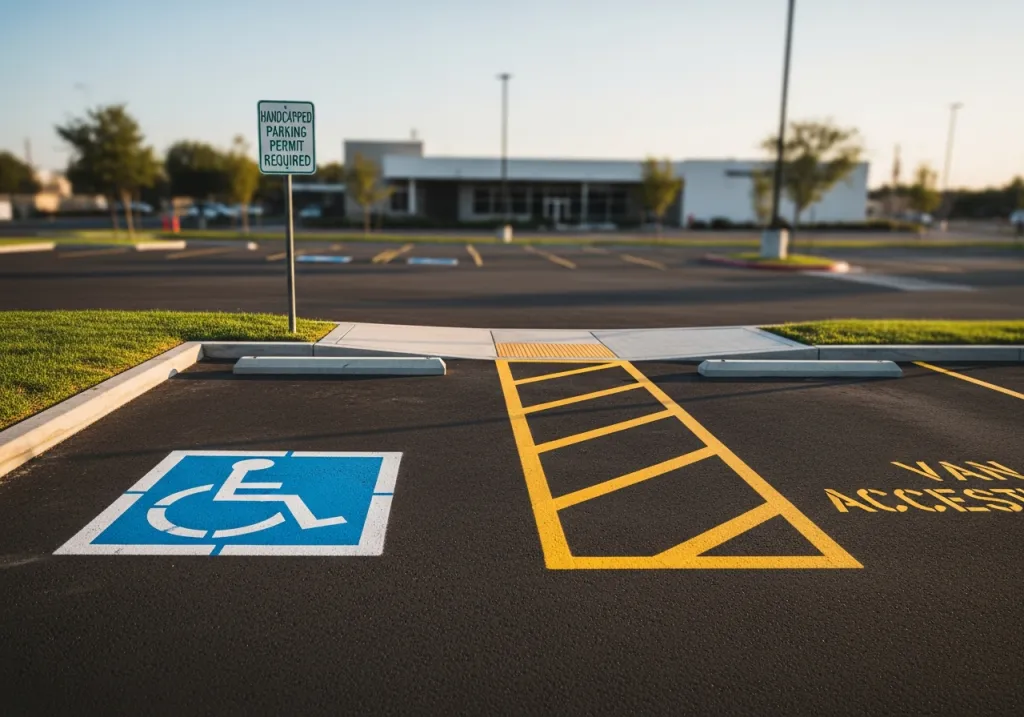
Accessible parking spaces differ significantly from standard parking spots in both location and design. These specialized spaces feature several key characteristics:
Dimensions: Disability parking bays measure between 3,500mm and 3,900mm in width (approximately 11.5 to 12.8 feet), compared to standard parking spaces of roughly 2,400mm (7.9 feet). This additional width, often marked with blue or yellow crosshatch striping, provides essential transfer space for wheelchair users to maneuver safely alongside their vehicles.
Location: Accessible parking must be positioned within 30 to 50 meters of accessible building entrances or elevator lobbies. This proximity reduces the distance individuals with mobility impairments must travel, minimizing physical strain and health risks.
Surface Requirements: Parking areas must feature firm, level surfaces with gradient ratios not exceeding 1:50 throughout the width and length. This ensures wheelchair users and individuals with mobility aids can navigate safely without encountering dangerous slopes or uneven terrain.
Signage: Spaces must display vertical signs incorporating the international symbol for access by persons with disabilities, positioned at least 2,100mm (approximately 7 feet) above ground level. The wheelchair symbol should also be clearly painted on the road surface in dimensions of 1,000mm × 1,000mm.
Quantity: The number of required accessible spaces varies based on total parking availability. Generally, facilities must provide at least one accessible space for every 25 standard parking spaces, with higher percentages required at medical and rehabilitation facilities (typically 20% of total spaces).
Medical Conditions That Qualify for Disability Parking Permits
Mobility Impairments and Walking Limitations
The most common qualifying condition for disability parking permits involves significant mobility impairments that limit a person’s ability to walk safely or comfortably. Most jurisdictions use a functional definition: individuals who cannot walk 200 feet (approximately 60 meters) without stopping to rest qualify for accessible parking accommodations.
Qualifying mobility impairments include:
Use of Assistive Devices: Individuals who require wheelchairs, walkers, crutches, canes, leg braces, or other mobility aids generally qualify automatically for disability parking permits. These devices indicate significant mobility limitations that make traversing long parking lot distances dangerous or impossible.
Lower Extremity Limitations: Missing or non-functional legs or feet qualify individuals for accessible parking. This includes amputations, paralysis, severe arthritis affecting the lower limbs, and congenital conditions affecting leg development or function.
Balance and Gait Disorders: Conditions causing severe balance problems, coordination difficulties, or abnormal gait patterns that increase fall risk qualify for parking accommodations. These may result from neurological conditions, inner ear disorders, or musculoskeletal problems.
Severe Pain Conditions: Chronic pain syndromes affecting mobility, such as severe fibromyalgia, complex regional pain syndrome, or advanced osteoarthritis, may qualify if walking extended distances triggers debilitating pain episodes.
Some states explicitly include visual impairments in their qualifying conditions. Approximately 26 U.S. states recognize blindness as a qualifying disability, enabling visually impaired individuals to obtain permits for use as passengers, acknowledging that navigating busy parking lots presents significant safety hazards.
Detailed Guide on Medical Conditions Qualifying for a Handicap Placard?
Cardiovascular and Respiratory Conditions
Many cardiovascular and respiratory conditions severely limit walking capacity and qualify individuals for disability parking permits:
Heart Disease and Cardiac Conditions: Advanced heart disease, congestive heart failure, history of heart attacks, or conditions requiring cardiac rehabilitation often qualify. Individuals whose heart conditions cause severe shortness of breath, chest pain, or fatigue after minimal exertion need accessible parking to reduce cardiac stress and health risks.
Chronic Respiratory Conditions: Chronic obstructive pulmonary disease (COPD), severe asthma, pulmonary fibrosis, emphysema, and other lung conditions that significantly limit respiratory function qualify when they restrict walking ability. Individuals requiring supplemental oxygen or experiencing severe shortness of breath with minimal activity typically meet eligibility criteria.
Pulmonary Hypertension: This serious condition affecting blood pressure in the lungs severely limits exercise tolerance and walking capacity, making accessible parking medically necessary.
Medical documentation for cardiovascular and respiratory conditions typically requires physician certification that the condition severely restricts the ability to walk, even if the disability is not immediately visible to observers.
Neurological and Musculoskeletal Disorders
Numerous neurological and musculoskeletal conditions qualify for disability parking permits:
Neurological Conditions: Multiple sclerosis, Parkinson’s disease, stroke with lasting mobility effects, cerebral palsy, spinal cord injuries, and peripheral neuropathy frequently cause significant walking limitations. These conditions may affect muscle strength, coordination, balance, sensation, or motor control, making extended walking dangerous or impossible.
Musculoskeletal Disorders: Severe arthritis (rheumatoid, osteoarthritis, psoriatic), spinal stenosis, degenerative disc disease, severe scoliosis, joint replacements with ongoing complications, and chronic back conditions that limit mobility qualify when they substantially restrict walking ability.
Developmental Disabilities: Some states, including Virginia and New York, explicitly recognize certain developmental disabilities and mental illnesses as qualifying conditions when they significantly impair mobility or the ability to navigate parking areas safely.
Sensory Impairments: Four U.S. states (Georgia, Kentucky, Virginia, and Wyoming) include deafness as a qualifying disability, recognizing that deaf individuals face unique safety challenges in busy parking environments where they cannot hear approaching vehicles or warning signals.
Hand Impairments: Fourteen states include disabled hands as qualifying conditions, particularly when manual dexterity limitations affect the ability to operate mobility aids or safely navigate parking areas.
The key criterion across all qualifying conditions is functional impairment, the medical condition must severely restrict the person’s ability to walk or substantially increase health risks associated with walking long distances through parking areas.
Learn State-by-State Handicap Placard Permit Laws and Online Application Process 2026
How to Apply for a Disability Parking Permit

Traditional DMV Application Process
The standard method for obtaining a disability parking permit involves working through your state’s Department of Motor Vehicles (DMV) or equivalent motor vehicle agency:
Step 1: Obtain Application Forms: Visit your local DMV office or download application forms from your state’s DMV website. Each state maintains specific application forms for disability parking permits, often designated as medical certification forms (such as Form MV-664.1 in New York or MED-10 in Virginia).
Step 2: Medical Certification: Schedule an appointment with your licensed physician, physician assistant, nurse practitioner, chiropractor, or other qualified healthcare provider authorized to certify disabilities in your state. The medical professional must complete the certification section of the application, documenting your specific condition and confirming that you meet the eligibility requirements.
The healthcare provider will typically need to certify:
-
The nature of your mobility impairment
-
Whether the condition is permanent or temporary
-
The expected duration (for temporary permits)
-
Whether you can walk 200 feet without stopping to rest
-
Which specific mobility limitations you experience
Step 3: Complete Personal Information: Fill out all required personal information sections, including your name, address, driver’s license or identification number, and contact details. If you’re applying on behalf of another person, you may need to provide documentation of your relationship or guardianship.
Step 4: Submit Application and Pay Fees: Return the completed, signed application to your DMV office by mail or in person. Processing fees vary by state, typically ranging from free to $50. Some jurisdictions waive fees for disability parking permits, while others charge nominal processing costs. Temporary permits sometimes carry different fee structures than permanent permits.
Step 5: Receive Your Permit: Processing times typically range from five business days to several weeks, depending on your jurisdiction. You’ll receive either a hanging placard, a wallet-sized card, or specialized license plates (if you requested plate designation for your personal vehicle).
Online Disability Parking Medical Evaluation Options
Modern technology has introduced alternative pathways for obtaining disability parking permits through online medical evaluation services:
Several telehealth platforms now connect individuals with licensed physicians who can evaluate eligibility for disability parking permits through virtual consultations. These services typically involve:
Online Medical History Review: Complete detailed questionnaires about your medical condition, mobility limitations, current medications, and previous treatments. Upload relevant medical records, diagnostic test results, or documentation from your treating physicians.
Virtual Consultation: Connect with a licensed healthcare provider via video conference for a medical evaluation. The physician will assess your condition, review your medical history, and determine whether you meet eligibility criteria for a disability parking permit in your state.
Digital Certification: If approved, the physician provides electronic medical certification that meets DMV requirements. Some services directly submit applications to state DMV offices on your behalf, while others provide certified documentation for you to submit independently.
Benefits: Online evaluation services offer convenience for individuals with severe mobility limitations who find traveling to medical offices challenging. They can also expedite the process, with some services providing same-day or next-day medical certifications.
Limitations: Not all states accept medical certifications from telehealth providers for disability parking applications. Additionally, online services typically charge fees that may exceed traditional application costs. Always verify that your state’s DMV accepts medical certifications from virtual consultations before using online evaluation services.
Get Your Handicap Parking Permit Evaluation Online
What Are Disability Parking Permit Required Documentation and Fees

Complete disability parking permit applications require several key documents:
Identity Verification: Government-issued photo identification, such as a driver’s license, state ID card, or passport. This confirms your identity and establishes residency in the issuing jurisdiction.
Medical Certification: The core requirement is certification from a qualified healthcare provider documenting your disability and confirming you meet eligibility criteria. This certification must be on official forms or letterhead and include the provider’s license number, signature, and contact information.
Vehicle Information: If requesting specialized license plates rather than a hanging placard, you’ll need your vehicle registration information, including the vehicle identification number (VIN), make, model, and year.
Proof of Residency: Some jurisdictions require utility bills, lease agreements, or other documentation confirming your residential address.
Fees: Cost structures vary significantly by jurisdiction:
-
Many U.S. states provide permanent placards free of charge
-
Temporary permits typically cost $0-$25
-
Specialized license plates may carry fees of $15-$50
-
Replacement fees for lost or damaged permits range from $5-$25
-
New Zealand charges processing fees with permits valid for five years
-
Ireland provides permits through disability organizations rather than government agencies
Processing Timeframes: Most applications are processed within 5-20 business days. Expedited processing may be available for urgent medical situations, sometimes requiring additional documentation from healthcare providers.
International visitors with disabilities can use their home country permits in many jurisdictions for short periods (typically up to one month). Extended stays require applying for local temporary permits through the standard application process.
Cost of Handicap Placards: Complete 2026 Guide to Fees, Requirements & Application Process
Disability Parking Legal Rights and Proper Use of Handicap Parking Permit
Parking Privileges and Restrictions
Disability parking permits grant specific legal privileges that vary by jurisdiction but generally include:
Designated Space Access: The primary privilege is parking in spaces specifically marked and reserved for persons with disabilities. These spaces, identified by the international wheelchair symbol, cannot be used by vehicles without properly displayed valid permits.
Time Limit Exemptions: Many jurisdictions allow permit holders to park in time-limited spaces for extended periods beyond posted restrictions. For example, UK Blue Badge holders can park on yellow lines (no-waiting restrictions) for up to three hours. However, restrictions vary, some areas require display of a parking clock showing arrival time, while others mandate specific time limits even for permit holders.
Meter Exemptions: Certain jurisdictions waive parking meter fees for disability permit holders, though this privilege is not universal. Some cities require permit holders to pay standard meter rates despite having disability permits. Always check local regulations, as assumptions about meter exemptions can result in parking violations.
On-Street Parking Benefits: Disability permits often allow parking in areas where general parking is prohibited, such as near building entrances, in designated loading zones (when no standard accessible spaces are available), or in restricted areas during specific hours.
Critical Restrictions: Disability parking privileges do NOT include:
-
Parking in fire lanes, emergency vehicle zones, or areas marked with red curbs
-
Blocking wheelchair-accessible ramps or crosswalks
-
Parking in the blue crosshatch striping adjacent to accessible spaces (these areas are transfer zones, not parking spaces)
-
Parking in loading/unloading areas already occupied by another vehicle
-
Violating fundamental traffic safety regulations
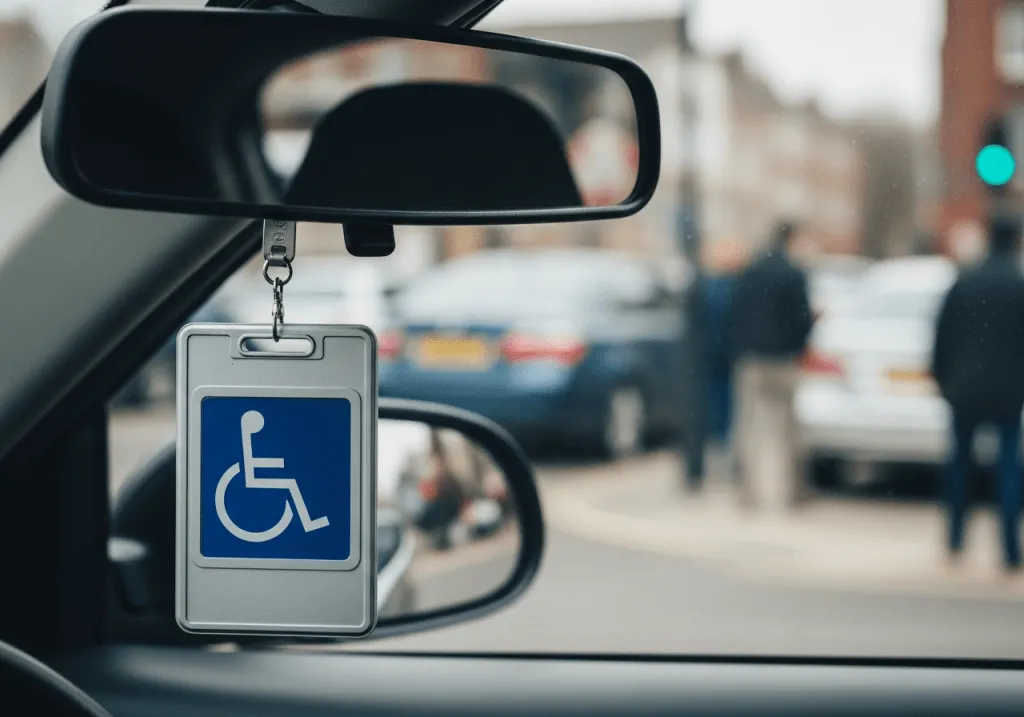
Display Requirements: Permits must be properly displayed to be valid. Hanging placards should be suspended from the rearview mirror with identifying information visible through the windshield. Specialized license plates serve as built-in identification and don’t require additional display.
Use Restrictions: Disability parking permits belong to the individual with the disability, not the vehicle. The permit holder must be traveling in the vehicle (as either driver or passenger) for legal permit use. Family members and friends cannot use the permit when the disabled person is not present, doing so constitutes fraud and can result in permit confiscation and significant penalties.
Handicap Parking Permit Penalties for Misuse and Fraud
Disability parking fraud represents a serious offense with substantial consequences:
Unauthorized Use of Spaces: Parking in designated disability spaces without a valid permit results in significant fines:
-
United States: $250-$500 for first offenses in most states
-
Ireland: €150 standard fine, increasing to €225 if unpaid within 28 days
-
New Zealand: $150 fine for unauthorized use
-
United Kingdom: Up to £1,000 for Blue Badge misuse
Permit Fraud and Misuse: Using someone else’s disability permit when the rightful holder is not present carries severe penalties:
-
Ireland: €200 fine for badge misuse, increasing to €300 if unpaid within 28 days
-
United States: Fines ranging from $500-$1,000 plus potential criminal charges
-
United Kingdom: Fines up to £1,000 plus permit confiscation
Criminal Consequences: Serious fraud cases, such as creating counterfeit permits, using permits of deceased individuals, or repeated misuse violations, can result in criminal prosecution, including misdemeanor charges, court appearances, and potential jail time in extreme cases.
Enforcement Authority: Law enforcement officers, parking enforcement personnel, and authorized officials have legal authority to:
-
Inspect disability parking permits to verify authenticity
-
Request identification to confirm the permit belongs to the vehicle occupant
-
Confiscate permits being used fraudulently
-
Issue citations for misuse
-
Testify in criminal proceedings against violators
Many jurisdictions have established specialized enforcement programs. The UK’s National Agency for Blue Badge Fraud Investigations works with local councils to detect and prosecute misuse. South Africa’s Quadraplegic Association operates a WhatsApp whistleblowing hotline where citizens can report violations with photographic evidence.
Interstate Recognition and Travel
One of the most valuable aspects of disability parking permits is reciprocal recognition across jurisdictions:
United States Interstate Recognition: All U.S. states recognize valid disability parking permits issued by other states. A permit issued in California remains valid when traveling to New York, Texas, or any other state, allowing permit holders to use designated accessible parking throughout the country.
European Union Recognition: Since 2000, EU member states have standardized disability parking permits to a common blue design called “Blue Badges.” Council recommendations mandate that member states recognize Blue Badges issued by other EU countries, facilitating travel across international borders within Europe.
The European Economic Area (EEA) extends these recognition principles to additional countries through incorporation into the EEA Agreement, expanding accessible parking reciprocity across a broader geographic region.
International Recognition: The International Transport Forum (ITF), an intergovernmental organization within the OECD, established reciprocal recognition protocols in 1978 (updated in 1997). Member and associated countries grant parking concessions to foreign visitors with disabilities equivalent to those offered to their own nationals, provided the permit displays the international wheelchair symbol.
Important Limitations: While reciprocal recognition is widespread, significant exceptions exist:
-
France does not recognize UK Blue Badges for parking in French accessible spaces
-
Private parking facilities may establish their own policies regardless of government reciprocity agreements
-
Airports, ports, and railway stations often exclude Blue Badge holders from standard concessions unless operators voluntarily provide privileges
-
Some countries require foreign visitors to obtain temporary local permits for stays exceeding one month
Travel Recommendations: Before traveling internationally with a disability parking permit:
-
Research specific parking regulations in your destination country through embassy websites or official government resources
-
Contact accessibility organizations in the destination to clarify local recognition policies
-
Carry documentation of your disability and medical certification in case local authorities question permit validity
-
Obtain temporary local permits for extended international stays
Failure to verify local recognition policies can result in parking violations, fines, and vehicle immobilization despite holding valid permits in your home jurisdiction.
14 Things You Need to Know About Getting a DMV Handicap Placard
Benefits of Obtaining a Disability Parking Permit
Permanent placard and permit holders may also qualify for the federal Access Pass for national parks — a free lifetime pass for entry to more than 2,000 federal recreation sites nationwide.
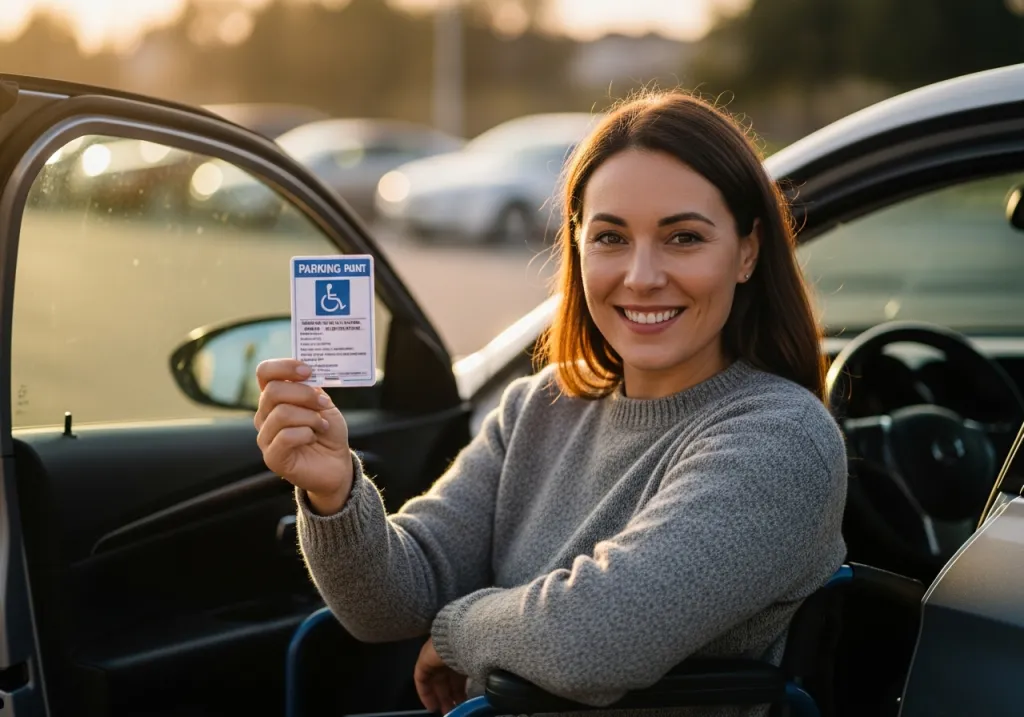
Improved Mobility and Independence
The primary benefit of disability parking permits is dramatically improved mobility and independence for individuals with qualifying conditions:
Reduced Walking Distances: Accessible parking spaces positioned within 30-50 meters of building entrances minimize the physical demands of navigating large parking facilities. For individuals with cardiovascular conditions, respiratory limitations, or mobility impairments, these reduced distances can mean the difference between successfully completing essential activities or being unable to access buildings at all.
Safer Navigation: Wider parking spaces and proximity to main entrances reduce exposure to moving vehicle traffic in busy parking lots. Individuals with visual impairments, hearing loss, mobility devices, or cognitive conditions face significant dangers in standard parking areas where they must navigate between closely-spaced cars and watch for backing vehicles. Accessible spaces minimize these risks.
Enhanced Wheelchair Access: The additional 1,500mm transfer zone alongside accessible parking spaces provides essential room for wheelchair users to deploy ramps, operate vehicle lifts, or transfer between wheelchairs and vehicle seats. Without this space, wheelchair users risk injury attempting transfers in constrained areas or may be physically unable to exit their vehicles when other cars park too closely.
Maintained Independence: For many people with disabilities, accessible parking represents the crucial difference between maintaining independent community participation or becoming reliant on others for transportation to medical appointments, employment, shopping, and social activities. This independence preserves dignity, self-determination, and quality of life.
Safety and Health Advantages
Beyond convenience, disability parking provides critical health and safety benefits:
Reduced Physical Strain: Walking long distances through parking areas places dangerous physical stress on individuals with heart conditions, respiratory limitations, or chronic pain syndromes. Accessible parking reduces this strain, minimizing risks of cardiac events, breathing crises, pain flares, and physical exhaustion.
Protection from Weather Exposure: Shorter walking distances reduce exposure to extreme weather conditions, intense heat, cold, precipitation, or wind, that can be particularly dangerous for individuals with certain medical conditions. People with multiple sclerosis may experience symptom exacerbation in heat, while those with respiratory conditions face increased risks in cold weather or high humidity.
Fall Prevention: Extended walking distances across potentially uneven parking lot surfaces increase fall risks for individuals with balance disorders, gait abnormalities, or conditions causing muscle weakness. Falls can result in serious injuries, hospitalizations, and permanent disability. Accessible parking minimizes these risks by reducing walking distances and providing level, well-maintained surfaces.
Emergency Access: Parking closer to building entrances facilitates faster access to vehicles in medical emergencies. If symptoms suddenly worsen, individuals can reach their vehicles more quickly to either leave the area or access emergency medications stored in the car.
Financial and Time Savings
Disability parking permits provide measurable economic benefits:
Parking Fee Exemptions: In jurisdictions offering meter exemptions or free parking in municipal facilities, permit holders save considerable amounts over time. While not universal, these savings can total hundreds of dollars annually for individuals who frequently park in metered or pay-for-parking areas.
Reduced Healthcare Costs: By minimizing physical strain and health risks associated with extended walking, accessible parking may reduce the frequency of medical complications, emergency department visits, and hospitalizations. These indirect cost savings can be substantial, particularly for individuals with serious cardiovascular or respiratory conditions.
Time Efficiency: Accessible spaces located near building entrances save time on every parking occasion. For individuals who make multiple trips weekly to medical appointments, therapy sessions, or essential shopping, these time savings accumulate significantly, allowing more efficient use of limited energy and improving overall quality of life.
Employment Opportunities: Reliable access to accessible parking enables many individuals with disabilities to maintain employment that would otherwise be impossible. The ability to arrive at work without exhaustion from long parking lot walks preserves energy for job performance and reduces disability-related work absences.
Reduced Caregiver Burden: When individuals with disabilities can independently drive and park in accessible spaces, they reduce reliance on family members or paid caregivers for transportation assistance. This independence provides both financial savings and emotional benefits for all parties.
Conclusion
Disability parking permits provide essential accommodations for individuals with mobility impairments, cardiovascular conditions, neurological disorders, and other qualifying medical conditions. These specialized parking privileges go far beyond simple convenience, they represent fundamental access to community participation, employment opportunities, healthcare services, and independent living.
Understanding eligibility requirements enables qualified individuals to recognize when they should pursue accessible parking accommodations. Whether you use mobility aids, experience difficulty walking 200 feet without rest, have cardiovascular conditions that make extended walking dangerous, or face other qualifying medical limitations, disability parking permits can dramatically improve your safety, health, and quality of life.
The application process, whether through traditional DMV channels or modern online medical evaluation services, is designed to be accessible and straightforward. With proper medical certification and required documentation, most applications are processed within a few weeks, providing long-term accommodations that substantially enhance daily functioning.
Legal protections ensure permit holders can exercise their rights to accessible parking without discrimination, while enforcement mechanisms protect the integrity of the system by penalizing fraud and misuse. Interstate and international recognition of disability permits facilitates travel and ensures continuity of accommodations across jurisdictions.
The benefits extend beyond the individual permit holder. When accessibility features function properly, entire communities become more inclusive, welcoming, and navigable for all residents, including seniors, parents with young children, and anyone experiencing temporary mobility limitations.
Frequently Asked Questions
What is disability parking, and who can use it?
Disability parking refers to designated accessible parking spaces reserved exclusively for individuals with qualifying disabilities or medical conditions that severely restrict their ability to walk. These spaces are wider than standard parking spots (3,500-3,900mm versus 2,400mm) and located closest to building entrances. To legally use disability parking, you must display a valid disability parking permit, either a hanging placard or specialized license plates, and the permit holder must be traveling in the vehicle as either driver or passenger. Qualifying conditions include mobility impairments requiring assistive devices (wheelchairs, walkers, canes), cardiovascular or respiratory conditions limiting walking capacity, neurological disorders, and severe musculoskeletal conditions. The general standard is that individuals who cannot walk 200 feet without stopping to rest typically qualify for disability parking accommodations.
How do I apply for a disability parking permit?
To apply for a disability parking permit, first obtain an application form from your state's Department of Motor Vehicles (DMV) website or local office. Schedule an appointment with your licensed physician, nurse practitioner, or other qualified healthcare provider to complete the medical certification section, which documents your specific condition and confirms you meet eligibility requirements. Complete all personal information sections, including your name, address, and identification number. Submit the completed application to your DMV by mail or in person along with any required fees (typically $0-$50, varying by state). Processing takes approximately 5-20 business days, after which you'll receive either a hanging placard, wallet card, or specialized license plates. Some states now offer online medical evaluation options through telehealth services, though not all jurisdictions accept virtual consultations for disability parking certifications.
Can I use my disability parking permit in other states or countries?
Yes, disability parking permits have broad reciprocal recognition. All U.S. states recognize valid disability parking permits issued by other states, so your permit remains valid when traveling anywhere in the country. Internationally, the European Union's standardized "Blue Badge" system ensures recognition across all EU member states. The International Transport Forum's reciprocal recognition protocols (established in 1978, updated in 1997) mean that member and associated countries recognize foreign disability permits displaying the international wheelchair symbol. However, important exceptions exist—France does not recognize UK Blue Badges, and some countries require foreign visitors to obtain temporary local permits for stays exceeding one month. Private parking facilities, airports, ports, and railway stations may not honor foreign permits even in countries with reciprocity agreements. Always research specific parking regulations in your destination country before international travel.
What are the penalties for misusing a disability parking permit?
Misusing disability parking spaces or permits carries severe penalties. Parking in designated disability spaces without a valid permit results in fines ranging from $150 (New Zealand) to $250-$500 (United States) to €150 (Ireland, increasing to €225 if unpaid). Using someone else's disability permit when the rightful holder is not present constitutes fraud with fines up to €300 (Ireland) or $500-$1,000 (United States) plus potential permit confiscation. In the UK, Blue Badge misuse can result in fines up to £1,000. Serious fraud cases, including creating counterfeit permits, using permits of deceased individuals, or repeated violations—can lead to criminal prosecution, misdemeanor charges, court appearances, and potential jail time. Law enforcement officers and parking enforcement personnel have legal authority to inspect permits, request identification to verify ownership, confiscate fraudulently used permits, and issue citations. Many jurisdictions operate specialized enforcement programs to detect and prosecute disability parking fraud.

Meet the author
Nida Hammad
With over 5 years of experience in accessibility content, I create clear resources on handicap parking permits, state requirements, and applications.
Get an Accessible Parking Permit Evaluation in Minutes.