Why Your Heart Condition Qualifies You for Closer Parking (And How to Get It)
 by Nida Hammad
Last updated:


Living with heart disease presents numerous challenges, and one aspect many patients don’t initially consider is their ability to safely walk long distances. Whether you’re managing congestive heart failure (CHF), recovering from a heart attack, or dealing with coronary artery disease (CAD), a handicap parking placard can significantly improve your quality of life and safety when accessing medical appointments, shopping, and other essential activities.
Understanding how to get a Heart Disease Handicap Placard and how to navigate the application process is crucial for maintaining your independence while prioritizing your health.
Understanding Heart Disease and Mobility Limitations
Heart disease encompasses a range of conditions affecting the heart’s structure and function. Many cardiac conditions can significantly impact your ability to walk distances, climb stairs, or engage in physical exertion without experiencing dangerous symptoms.
How Heart Conditions Affect Mobility
Heart disease can limit mobility through several mechanisms. When your heart cannot pump blood efficiently, your muscles and organs receive insufficient oxygen, leading to fatigue, breathlessness, and weakness during physical activity. According to research from the National Institutes of Health, cardiovascular disease can lead to sudden incapacity while performing physical tasks, making even routine activities potentially dangerous.
Patients with heart failure often experience shortness of breath (dyspnea) during minimal exertion, chest pain (angina), dizziness, and overwhelming fatigue. These symptoms can make walking from a distant parking spot to a store entrance not just uncomfortable, but medically risky.
What is a Heart Disease Handicap Placard?
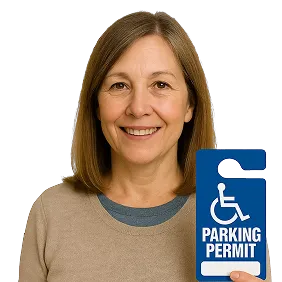
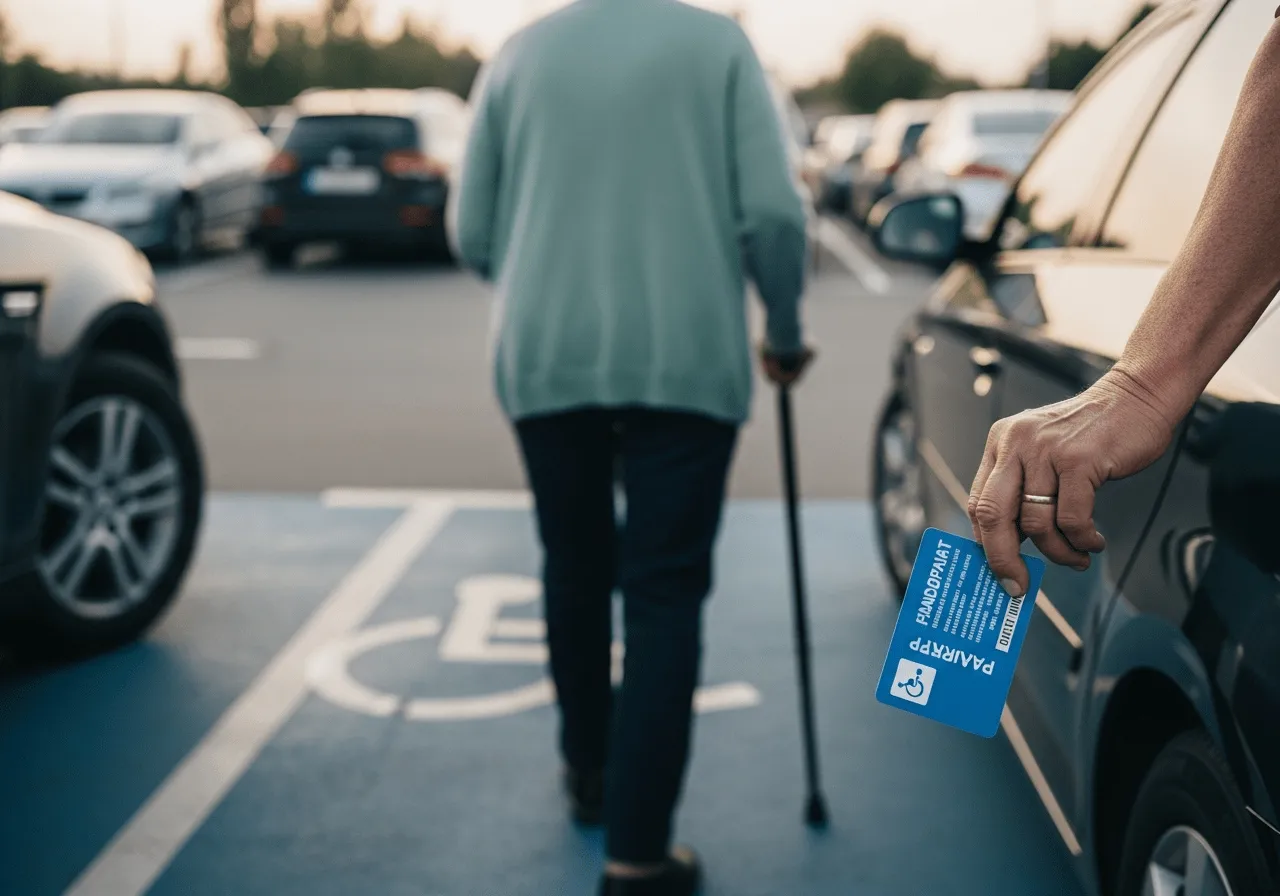
A handicap parking placard, also known as a disabled parking permit or disability placard, is an official document that allows individuals with qualifying medical conditions to park in designated accessible parking spaces. These spaces are typically located closer to building entrances, reducing the distance individuals must walk.
For heart disease patients, these permits aren’t about convenience, they’re about safety and medical necessity. Reducing walking distances helps prevent dangerous cardiac episodes, conserves energy for essential activities, and minimizes the risk of complications during routine errands.
Types of Handicap Placards Available
Most states, including Maryland, offer two main types of placards:
Temporary Placards are issued for conditions expected to improve within six months. These might be appropriate for someone recovering from heart surgery or a recent heart attack.
Permanent Placards are issued for long-term or progressive conditions like chronic heart failure or severe coronary artery disease that will not significantly improve.
Some states also offer permanent license plates as an alternative to hanging placards for those with permanent disabilities.
Heart Conditions That Qualify for a Handicap Placard

Not all heart conditions automatically qualify for a handicap parking permit, but many do based on how they limit your functional capacity. The key factor is whether your condition significantly impairs your ability to walk or causes symptoms that make walking distances dangerous.
Congestive Heart Failure (CHF)
Congestive heart failure is one of the most common cardiac conditions qualifying patients for handicap parking permits. According to information from the British Heart Foundation, individuals with heart failure must consider their symptoms when determining fitness for various activities, including walking distances.
CHF patients often qualify when they experience:
-
Shortness of breath at rest or with minimal activity (NYHA Class III or IV)
-
Severe fatigue limiting physical exertion
-
Swelling in legs and ankles affecting mobility
-
Dizziness or lightheadedness during physical activity
-
Reduced ejection fraction affecting overall cardiac function
The New York Heart Association (NYHA) classification system helps determine severity. Patients in Class III (symptoms with minimal activity) or Class IV (symptoms at rest) typically qualify for handicap placards without question.
Coronary Artery Disease (CAD)
Coronary artery disease, which causes reduced blood flow to the heart muscle, can qualify you for a handicap placard when it results in:
-
Stable angina that occurs with mild exertion
-
History of multiple heart attacks
-
Significant limitations in physical capacity
-
Symptoms triggered by walking short distances
-
Need for frequent rest periods during minimal activity
Even with successful treatment through angioplasty or bypass surgery, some CAD patients continue experiencing limitations warranting a handicap permit.
Post-Heart Attack Recovery
Recovering from a heart attack (myocardial infarction) often requires temporary or permanent parking accommodations. According to Heart Failure Matters, patients should carefully assess their physical capacity following cardiac events.
Post-heart attack patients may qualify when:
-
Recovering from recent cardiac intervention (angioplasty, stent placement)
-
Experiencing ongoing symptoms despite treatment
-
Diagnosed with reduced ejection fraction following infarction
-
Dealing with complications like heart failure or arrhythmias
-
Required to limit physical exertion during recovery period
Temporary placards are often appropriate during the initial recovery phase, with reassessment for permanent status if limitations persist.
Other Qualifying Cardiac Conditions
Additional heart conditions that may qualify include:
Severe Arrhythmias: Irregular heartbeats causing dizziness, fainting, or fatigue can qualify patients for placards, particularly if symptoms occur unpredictably during physical activity.
Cardiomyopathy: Various forms of heart muscle disease that reduce the heart’s pumping ability often result in significant exercise intolerance warranting parking accommodations.
Heart Valve Disease: Severe valve problems limiting cardiac output and causing symptoms during exertion may qualify patients for placards.
Pulmonary Hypertension: High blood pressure in the lungs’ arteries often accompanies heart disease and severely limits exercise capacity.
The Medical Evaluation Process
Obtaining a handicap placard for heart disease begins with a medical evaluation by your physician. Your doctor must certify that your cardiac condition creates a substantial mobility limitation.
What Your Doctor Will Assess
Your cardiologist or primary care physician will evaluate several factors:
Functional Capacity: Can you walk 200 feet without stopping to rest? Do you experience symptoms during routine activities? Your doctor may use standardized assessments like the six-minute walk test.
NYHA Classification: For heart failure patients, your NYHA class (I-IV) helps establish the severity of limitations and whether they warrant parking accommodations.
Symptom Severity: The frequency and intensity of chest pain, shortness of breath, fatigue, dizziness, and other cardiac symptoms during physical exertion.
Ejection Fraction: For many cardiac conditions, your heart’s ejection fraction (the percentage of blood pumped out with each beat) indicates overall function. Lower ejection fractions typically correlate with greater limitations.
Treatment Response: Has medical therapy, surgery, or other interventions improved your capacity, or do significant limitations persist despite optimal treatment?
Required Medical Documentation
When visiting your doctor for placard certification, bring:
-
Complete cardiac history, including all diagnoses
-
Records of recent diagnostic tests (echocardiograms, stress tests, cardiac catheterizations)
-
Current medication list
-
Documentation of any cardiac events (heart attacks, hospitalizations)
-
Your assessment of how your condition affects daily activities
Your physician will complete the medical certification section of the placard application, describing your condition and limitations.
How to Obtain a Handicap Parking Permit

The process for obtaining a handicap parking permit follows a similar pattern across most states, involving medical certification and submission to your state’s motor vehicle agency.
General Application Process
Step 1: Medical Certification Schedule an appointment with your physician (cardiologist or primary care doctor). They must complete your state’s disabled parking placard application, certifying that you have a qualifying disability affecting your mobility.
Step 2: Complete the Application Fill out the non-medical portions of the application form, including your personal information, contact details, and whether you’re applying for a temporary or permanent placard.
Step 3: Submit to Your State’s Motor Vehicle Agency You can typically submit your completed, physician-signed application:
-
In person at a motor vehicle office
-
By mail to your state’s designated address
-
Online in states offering digital submission
Step 4: Receive Your Placard If applying in person, you may receive your placard immediately. Mail applications typically process within 2-3 weeks. Most states, including Maryland, do not charge fees for handicap placards.
Important State Requirements
Different states have varying provisions for cardiac patients:
-
Temporary placards are typically valid for 3-6 months
-
Permanent placards are usually valid for 2-5 years
-
Renewals require new medical certification in most states
-
Interstate reciprocity agreements allow use of your placard in other states
-
Placard abuse carries significant penalties, often including fines of $250-$500 or more
Need help navigating the application process? ParkingMD provides comprehensive resources and assistance for those seeking handicap parking permits.
State-by-State Variations in Requirements
While we’ve focused on Maryland, requirements vary by state. Some key differences include:
Certification Standards: Some states have specific walking distance thresholds (e.g., inability to walk 200 feet), while others use more general functional assessments.
Validity Periods: Temporary placards range from 3-12 months depending on state. Permanent placards may be valid from 2-8 years.
Renewal Processes: Some states require in-person renewal with new medical certification; others allow mail or online renewal.
Fees: Most states don’t charge for placards, but some states charge nominal fees for replacement or renewal.
Reciprocity: Most states honor out-of-state placards, but rules vary regarding duration of visits and specific requirements.
Always check your state’s Department of Motor Vehicles or equivalent agency for specific requirements and procedures.
Living with a Heart Disease Handicap Placard
Once you receive your placard, understanding how to use it properly ensures you receive the benefits while complying with regulations.
Proper Placard Usage
Display Requirements: Hang your placard from your rearview mirror when parked in accessible spaces, ensuring the placard number and expiration date are visible from outside the vehicle.
Transferability: Placards are issued to individuals, not vehicles. You can use your placard in any vehicle you’re riding in as either driver or passenger.
Parking Rights: Your placard allows you to:
-
Park in designated accessible spaces
-
In many areas, park at meters without paying or with extended time limits
-
Access spaces reserved for disabled parking regardless of where you’re visiting
Restrictions: Remember that:
-
The placard holder must be present when using accessible parking
-
You cannot lend your placard to others
-
You must follow local parking regulations not specific to accessible spaces
-
Some states prohibit use of accessible spaces when loading/unloading for able-bodied passengers
Managing Placard Renewals
Set reminders for your placard’s expiration date. Most states send renewal notices 30-60 days before expiration, but it’s your responsibility to track renewal deadlines.
For temporary placards, schedule a follow-up appointment with your cardiologist before expiration to reassess whether:
-
Your condition has improved sufficiently to no longer require the placard
-
You continue needing temporary accommodations
-
Your condition warrants converting to a permanent placard
Permanent placard renewals typically require new medical certification to confirm ongoing need.
Driving Safety Considerations for Heart Disease Patients
While this article focuses on parking permits, it’s important to address the relationship between heart disease and driving safety, as these often arise together.
When Heart Disease Affects Driving
According to UK cardiac driving guidelines, certain cardiac conditions may temporarily or permanently affect your ability to drive safely. While this differs from parking permit eligibility, understanding these considerations is important.
Conditions that may affect driving include:
-
History of syncope (fainting) related to cardiac arrhythmias
-
Recent heart attack or cardiac surgery requiring recovery time
-
Severe angina occurring unpredictably
-
Uncontrolled arrhythmias causing dizziness
-
Implanted cardioverter-defibrillators (ICDs)
Most heart disease patients can continue driving safely, especially for personal vehicles. However, commercial drivers face stricter standards. Always discuss driving safety with your cardiologist, especially after cardiac events or when experiencing new symptoms.
Financial and Insurance Considerations
Understanding the financial aspects of handicap placards and related accommodations helps with planning and budgeting.
Costs and Fees
Placard Applications: Most states, including Maryland, don’t charge fees for initial handicap placard applications. Some states charge for replacement placards if yours is lost, stolen, or damaged.
Medical Evaluations: Your insurance typically covers medical appointments for chronic disease management, including evaluations for placard certification. However, verify coverage if scheduling specifically for this purpose.
Parking Benefits: Handicap placards often provide:
-
Free or discounted parking at meters in many municipalities
-
Extended time limits at metered spaces
-
Access to convenient parking locations reducing medical risks
Insurance Coverage and Medical Care
If you’re applying for a handicap placard due to heart disease, ensure you’re maximizing your insurance benefits:
Regular Cardiology Care: Maintain regular appointments with your cardiologist for ongoing monitoring and medication management.
Cardiac Rehabilitation: Many insurance plans cover cardiac rehab programs after heart attacks or surgery, which can improve functional capacity.
Medication Coverage: Ensure your plan adequately covers cardiac medications, as proper medical management is essential for symptom control.
Durable Medical Equipment: Some heart patients also benefit from devices like portable oxygen or mobility aids, which may be covered benefits.
Common Questions and Misconceptions
Can I Get a Placard with Mild Heart Disease?
The severity threshold varies by state and physician assessment. Generally, if your cardiac condition causes significant symptoms during routine walking or creates safety concerns during minimal exertion, you may qualify regardless of the specific diagnosis. Discuss your symptoms honestly with your doctor—they’ll determine if your limitations meet criteria.
How Long Does the Heart Disease Handicap Placard Application Process Take?
In Maryland, in-person applications may result in same-day placard issuance. Mail applications typically process within 2-3 weeks. Allow extra time if your physician’s office has scheduling delays for appointments.
Can I Use My Placard Anywhere?
Your state-issued placard is generally honored in all U.S. states and territories due to reciprocity agreements. However, specific parking regulations (like time limits or meter requirements) vary by location. Always check local signage.
Will Getting a Placard Affect My Driver’s License?
No, obtaining a handicap parking placard doesn’t impact your driver’s license status. These are separate processes with different criteria. However, if your cardiac condition affects driving safety, you should discuss this separately with your doctor.
What If My Doctor Won’t Certify My Application?
If you believe you qualify but your physician disagrees, consider:
-
Discussing your specific limitations and daily challenges in detail
-
Requesting a referral to a cardiologist if your primary care doctor is uncertain
-
Seeking a second opinion if you genuinely experience significant limitations
-
Documenting specific instances when walking distances caused concerning symptoms
Remember, physicians have liability concerns and must certify applications honestly based on medical criteria.
Frequently Asked Questions
What is a handicap placard?
A handicap placard (also called a disabled parking permit) is an official document that allows individuals with qualifying medical conditions to park in designated accessible parking spaces. These spaces are located closer to building entrances, reducing walking distances for people with mobility limitations or health conditions that make walking dangerous.
How does a person get a handicap placard?
The process involves three simple steps: (1) Visit your doctor to get medical certification confirming your qualifying condition, (2) Complete the application form with your personal information, and (3) Submit the physician-signed application to your state's motor vehicle agency—either in person, by mail, or online where available. Most applications process within 2-3 weeks.
What are the different types of handicap placards?
There are two main types: Temporary placards for conditions expected to improve within 3-6 months (like post-surgery recovery), and Permanent placards for long-term or progressive conditions that won't significantly improve (like chronic heart failure). Some states also offer permanent license plates as an alternative to hanging placards.
How much is a handicap placard?
Most states, including Maryland, don't charge any fees for handicap placard applications. The initial placard is typically free. Some states may charge a small fee ($5-20) for replacement placards if yours is lost, stolen, or damaged.
Can I get a handicap placard?
You may qualify if you have a medical condition that significantly limits your ability to walk or makes walking distances dangerous. Common qualifying conditions include heart disease, lung conditions, arthritis, neurological disorders, or any condition causing severe mobility limitations. Your doctor will determine if your specific situation meets your state's criteria based on your functional capacity and symptoms.
Does congestive heart failure automatically qualify me for a handicap placard?
While CHF often qualifies patients for placards, qualification depends on symptom severity and functional limitations rather than diagnosis alone. Patients with NYHA Class III or IV heart failure typically qualify, as do those experiencing significant symptoms during minimal exertion. Your cardiologist will assess whether your specific situation meets criteria.
How soon after a heart attack can I apply for a temporary placard?
You can apply for a temporary placard as soon as your doctor determines you have mobility limitations resulting from your heart attack or recovery process. Many patients receive temporary placards during hospitalization or at their first post-discharge appointment. These typically remain valid throughout recovery, usually 3-6 months.
Can I get a permanent placard if my heart condition is being treated with medication?
Yes, if your cardiac condition causes persistent limitations despite optimal medical treatment. Many patients with chronic heart failure, severe coronary artery disease, or other cardiac conditions maintain significant functional limitations even with proper medication management, qualifying them for permanent placards.
What's the difference between NYHA Class III and Class IV heart failure regarding placard eligibility?
NYHA Class III means you experience symptoms (shortness of breath, fatigue) with minimal activity like walking short distances or light housework. Class IV means you have symptoms even at rest. Both classifications typically qualify for permanent handicap placards, as both indicate significant limitations in physical capacity.
Do I need to reapply if my heart condition worsens?
Not necessarily for placard purposes, if you already have a permanent placard, worsening symptoms don't require reapplication until your regular renewal date. However, you should inform your cardiologist of any deterioration for proper medical management. If you have a temporary placard and your condition worsens or becomes permanent, discuss converting to a permanent placard before the temporary one expires.
Can I use my handicap placard when someone else is driving?
Yes, handicap placards are assigned to individuals, not vehicles. You can use your placard in any vehicle you're traveling in, whether you're driving or a passenger. However, you must be present when the vehicle is parked in an accessible space—you cannot lend your placard to others.
Will my insurance cover the cost of getting a handicap placard?
There's typically no fee for the placard itself in most states. Your health insurance should cover medical appointments with your cardiologist for chronic disease management, during which placard certification can occur. However, if you schedule an appointment specifically for placard certification, verify coverage with your insurance provider.
What should I do if my temporary placard expires but I still have limitations?
Schedule an appointment with your cardiologist before your temporary placard expires. They'll reassess your condition and determine whether to issue another temporary placard or recommend a permanent one if your limitations have become chronic. Don't let your placard expire before this appointment, as you may be without parking accommodations during the renewal process.

Meet the author
Nida Hammad
With over 5 years of experience in accessibility content, I create clear resources on handicap parking permits, state requirements, and applications.
Get an Accessible Parking Permit Evaluation in Minutes.