
After a Stroke, Every Step Matters — Here's How to Park Closer
 by Nida Hammad
Last updated:


Introduction: Understanding the Stroke & Handicap Placard Connection
For the millions of people affected by stroke every year, daily tasks that once felt effortless can become significant physical challenges. One of the most important mobility aids available to stroke survivors is the Stroke & Handicap Placard, a program that provides priority parking access to those whose condition limits their ability to walk safely or comfortably. Whether you are recovering from a recent stroke or managing long-term disability caused by one, understanding how the Stroke & Handicap Placard system works is a critical step toward maintaining independence and quality of life. This guide covers everything you need to know, from eligibility criteria to the application process, benefits, and how services like ParkingMD are making the certification process faster and more accessible.
What Is a Handicap Placard?
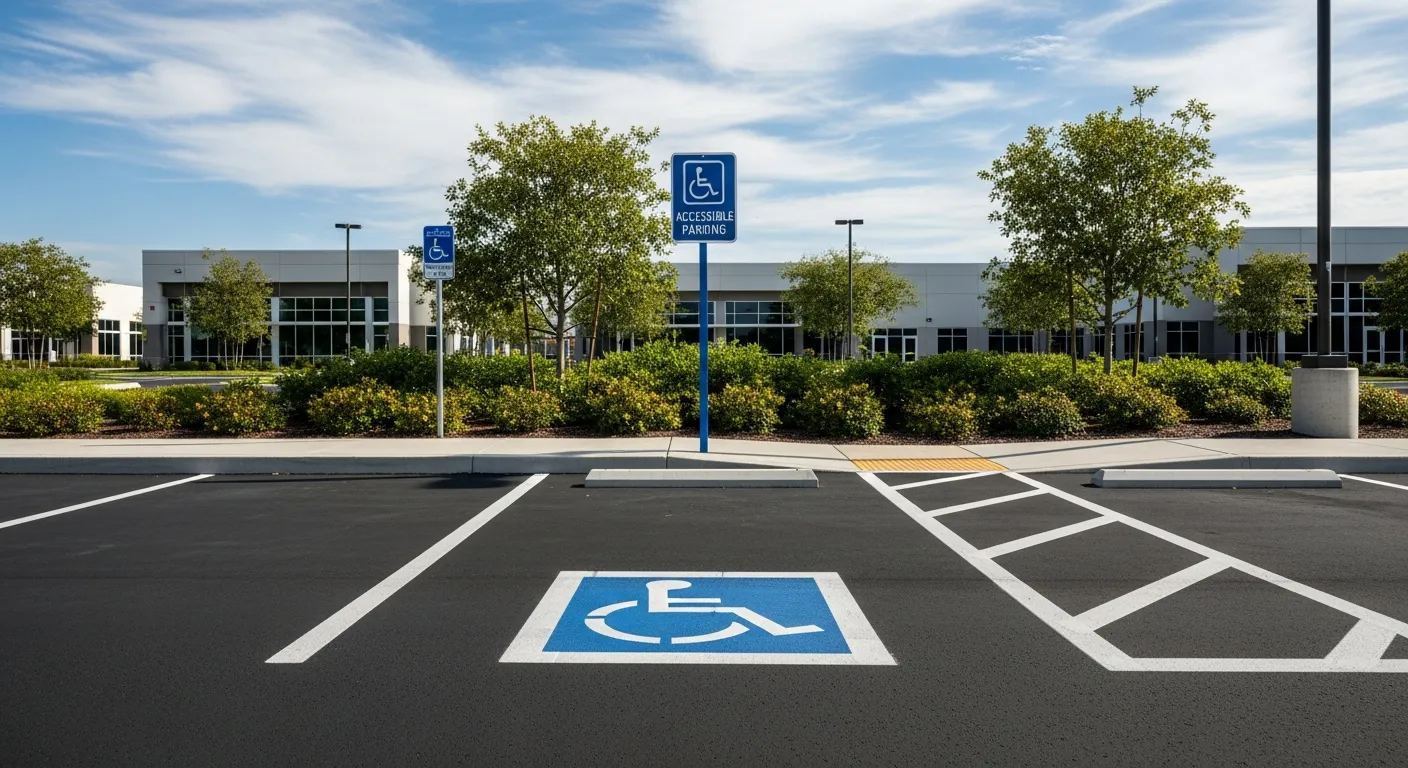
A handicap placard (also called a disabled parking permit) is an official credential issued by government authorities that allows individuals with qualifying disabilities to park in designated accessible parking spaces. These spaces are typically located closer to building entrances, reducing the distance a person with mobility limitations must travel on foot.
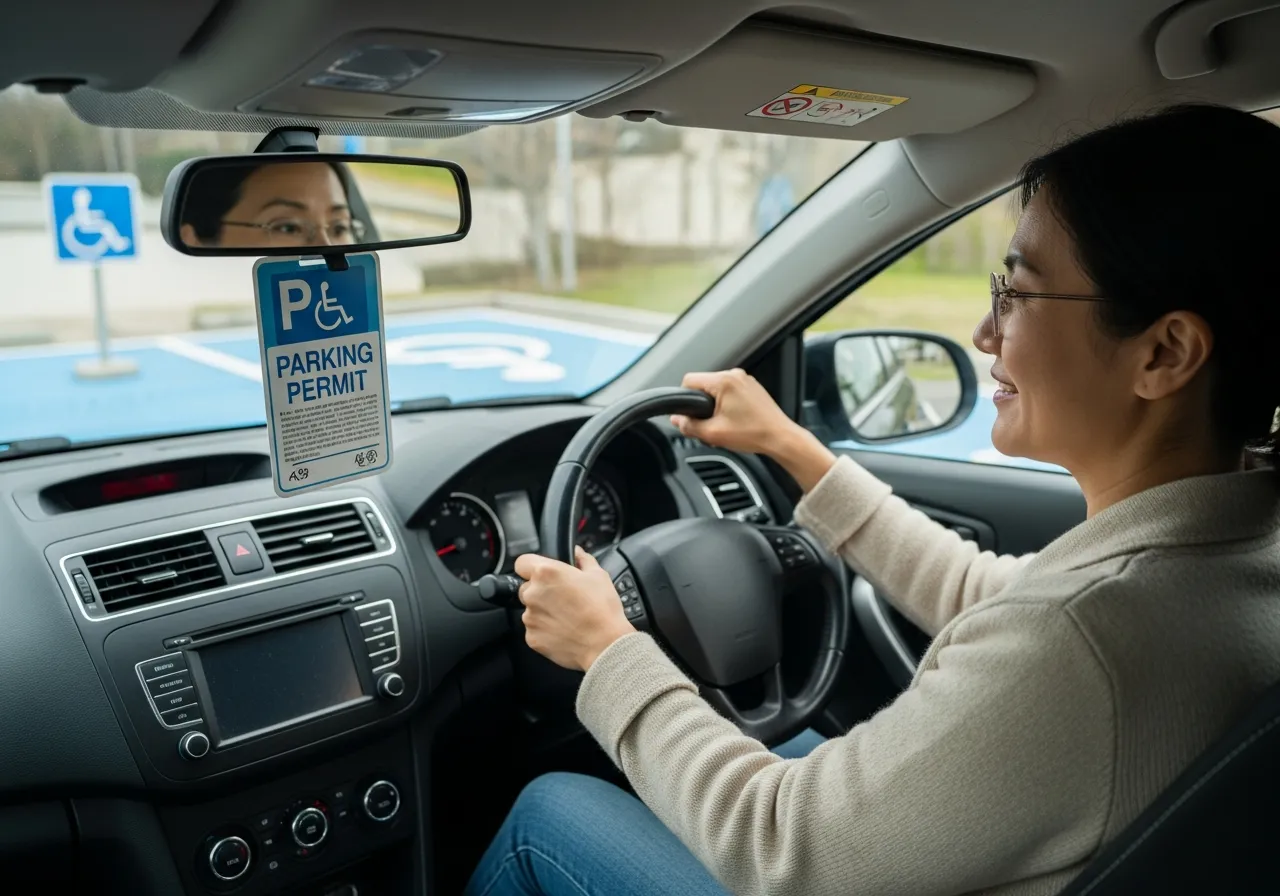
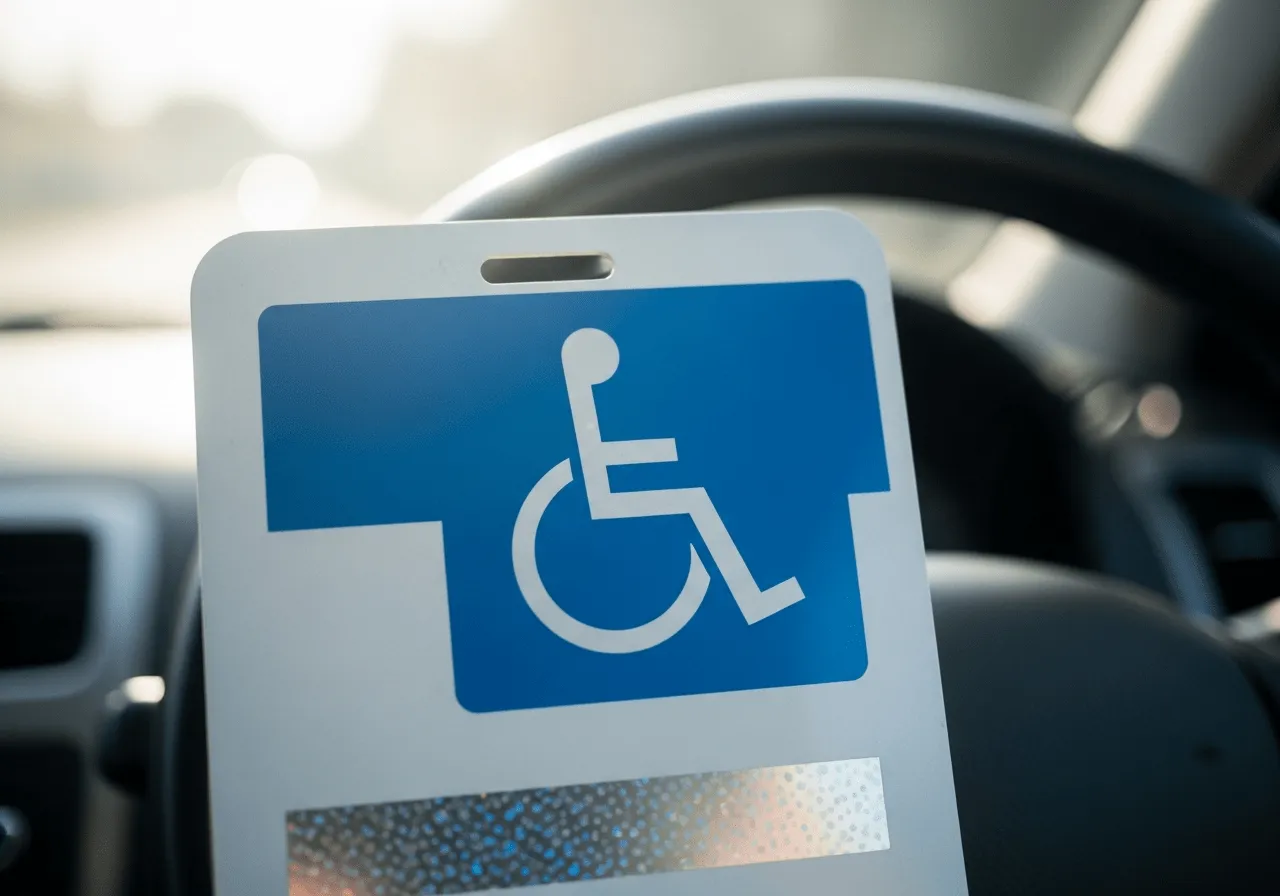
Handicap placards are usually displayed on the rearview mirror when a vehicle is parked in a designated space. They are not attached to a specific vehicle, which means the permit holder can use them in any vehicle they are traveling in, whether they are the driver or a passenger. This flexibility is especially important for stroke survivors who may not always be able to drive but still need accessible parking wherever they go.
How a Stroke Can Qualify You for a Handicap Placard
Stroke is one of the leading causes of long-term adult disability in the world. Depending on the severity and location of the stroke, survivors may experience a wide range of lasting impairments that directly affect their mobility and ability to walk. These impairments are central to determining whether a person qualifies for a handicap placard.
Stroke & Handicap Placard Eligibility: Common Qualifying Conditions
Most programs recognize a set of qualifying conditions that make a person eligible for a disabled parking permit. For stroke survivors, the following impairments frequently meet those criteria:
-
Hemiplegia or hemiparesis (one-sided paralysis or weakness)
-
Significant gait disturbances or inability to walk without assistive devices such as a cane, walker, or wheelchair
-
Severe fatigue that limits the ability to walk long distances
-
Cognitive or visual impairments that make navigating long distances dangerous
-
Cardiovascular complications following stroke that limit exertion
According to research, stroke survivors face a complex recovery process that often involves lasting physical and cognitive challenges. These challenges are precisely what disability parking programs are designed to accommodate.
Types of Handicap Placards Available to Stroke Survivors
| Feature | Temporary Disabled Parking Permit | Permanent Disabled Parking Permit |
|---|---|---|
| Purpose | For short‑term mobility limitations expected to improve over time | For long‑term, ongoing, or irreversible mobility limitations |
| Validity Period | Typically 1 to 12 months (varies by state) | Longer period (often 2 to 6 years, varies by state) |
| Medical Recertification | Required for renewal (must be re‑evaluated) | Not always required at each renewal (depends on state rules) |
| Common Use Cases | Post‑surgical recovery, broken bones, pregnancy complications, short‑term illness | Chronic conditions like MS, COPD, heart failure, severe arthritis, amputations |
| Placard Appearance | Often red or light blue in many states | Often dark blue in many states |
| Eligibility Criteria | Short‑term impairment affecting mobility | Long‑lasting or progressive impairments affecting mobility |
When applying for a handicap placard following a stroke, applicants generally have two options: a temporary placard or a permanent placard. The type that is right for you will depend on whether your disability is expected to be temporary or long-lasting.
Temporary Handicap Placards
Temporary placards are issued when a disability is expected to improve over time. For example, a person who has recently experienced a stroke and is undergoing rehabilitation may qualify for a temporary placard during their recovery phase. Many recovering stroke patients experience significant improvements over months of therapy, but still need accessible parking in the interim.
Temporary placards typically expire after a few months and may be renewed if the condition has not fully resolved.
Permanent Handicap Placards
Permanent placards are issued when a disability is not expected to improve significantly or is expected to last for an extended period. Stroke survivors with chronic hemiplegia, severe cognitive impairment, or other lasting neurological damage may qualify for a permanent permit. These permits are renewed periodically but do not expire as quickly as temporary ones.
Ready to Start Your Application? Getting certified for a handicap placard after a stroke has never been easier. Visit ParkingMD today to connect with a licensed medical provider who can evaluate your condition and complete the required certification online, from the comfort of your home.
How to Apply for a Stroke & Handicap Placard

The process of applying for a handicap placard after a stroke involves a few key steps. While specific procedures vary depending on where you live, the general process follows a consistent pattern.
Step 1: Obtain Medical Certification
The most critical requirement for a handicap placard is a medical certification from a licensed healthcare provider. This is typically a physician, nurse practitioner, physician assistant, or other authorized clinician who can attest to your qualifying disability. The provider must complete an official form that describes your condition and confirms that it meets the criteria for disability parking.
Step 2: Complete the Application Form
Once you have your medical certification, you will need to submit an application to the appropriate authority in your area. For example, in California, applications are submitted to the Department of Motor Vehicles. In Missouri, the process is handled through the Department of Revenue. In Illinois, the Secretary of State’s office manages the program, and in Indiana, the Bureau of Motor Vehicles oversees applications.
Step 3: Submit and Wait for Processing
Applications can typically be submitted in person, by mail, or online depending on the program. Processing times vary, but most applicants receive their placard within a few weeks of submitting a complete application.
For a full breakdown of requirements by location, visit the ParkingMD state-by-state requirements guide.
Benefits of a Handicap Placard for Stroke Survivors

Receiving a handicap placard after a stroke can significantly improve a survivor’s ability to participate in everyday life. The benefits go beyond simply finding a parking spot.
-
Closer access to building entrances reduces the physical burden on stroke survivors with limited mobility.
-
Reduced fall risk by minimizing the distance traveled over uneven or crowded surfaces.
-
Lower fatigue levels allow stroke survivors to conserve energy for activities inside their destination rather than exhausting themselves in a parking lot.
-
Greater independence and freedom to attend medical appointments, run errands, and participate in social activities without relying entirely on others.
-
Access to wider parking spaces that accommodate wheelchairs, walkers, or other assistive devices.
The Role of ParkingMD in Simplifying the Certification Process
One of the most significant barriers to getting a handicap placard is obtaining the required medical certification. For stroke survivors who have difficulty traveling to doctor appointments or navigating complex bureaucratic processes, this step can feel overwhelming. That is where ParkingMD comes in.
ParkingMD is a telehealth service that connects patients with licensed medical providers who can evaluate their condition and complete the necessary paperwork for a handicap placard certification. The process is conducted online, which means stroke survivors do not need to leave their home to get evaluated. The service is fast, convenient, and designed specifically to help people with disabilities navigate the certification process with minimal stress.
By using a service like ParkingMD, stroke survivors can avoid the frustration of long waits at doctor offices, reduce travel-related fatigue, and receive professional medical evaluation from a qualified provider who understands the documentation requirements for disability parking programs.
Get Your Handicap Placard Certification Today. Do not let mobility barriers limit your independence. ParkingMD makes it simple to get certified online so you can focus on what matters most: your recovery and your life.
Maintaining and Renewing Your Handicap Placard After a Stroke
Once issued, a handicap placard must be used correctly and renewed according to the rules of your local program. Misuse of placards, such as using someone else’s placard or parking in accessible spaces without displaying the permit, can result in fines and revocation of the credential.
Permanent placards generally require periodic renewal, and some programs ask for renewed medical certification at the time of renewal to confirm the disability is ongoing. Stroke survivors whose condition changes over time should keep their healthcare provider informed, as this may affect their eligibility or the type of placard they qualify for.
Important Considerations for Stroke Survivors Applying for a Placard
Before starting the application process, stroke survivors and their families should keep a few important points in mind.
-
Not all strokes result in lasting disability, so the type of placard you qualify for will depend on the nature and severity of your impairment.
-
Medical documentation must accurately reflect your current functional limitations, not just the diagnosis itself.
-
Some programs distinguish between placards for drivers and for passengers, so clarify which type applies to your situation.
-
Always carry your placard when traveling and display it properly when parked in accessible spaces.
-
If your condition improves significantly, you may no longer qualify for a permanent placard, and it is important to update your status accordingly.
Conclusion
A stroke can change a person’s life in profound ways, but it does not have to eliminate independence. The Stroke & Handicap Placard program exists specifically to help people like stroke survivors maintain access to the spaces and activities that matter most to them. By understanding the eligibility requirements, application process, and available resources, stroke survivors and their caregivers can take meaningful steps toward ensuring greater mobility and dignity in daily life.
Whether you are newly recovering or managing long-term disability from a stroke, exploring your eligibility for a handicap placard is a worthwhile step. Services like ParkingMD make it easier than ever to get the medical certification you need, so you can focus on your recovery without added stress.
Frequently Asked Questions
1. Does having a stroke automatically qualify me for a handicap placard?
Not automatically. You must have a qualifying disability resulting from the stroke, such as significant mobility limitations, the inability to walk long distances without difficulty, or the need for an assistive device. A licensed medical provider must certify that your condition meets the criteria for disability parking.
2. Can I use a handicap placard as a passenger, not just as a driver?
Yes. Handicap placards are issued to the individual, not to a specific vehicle. This means you can use your placard in any vehicle you are traveling in, whether you are the driver or a passenger. This is particularly important for stroke survivors who may not always be able to drive.
3. How long does a handicap placard last for stroke survivors?
It depends on whether you receive a temporary or permanent placard. Temporary placards typically last a few months and can be renewed. Permanent placards last longer but require periodic renewal. The duration varies by program.
4. What documentation do I need to apply for a handicap placard after a stroke?
You will generally need a completed application form and a medical certification from a licensed provider confirming that your condition meets the qualifying criteria. Some programs may also require identification and proof of residency.
5. Can a telehealth provider certify me for a handicap placard?
In many cases, yes. Telehealth providers who are licensed in your area and authorized to complete disability certifications can evaluate your condition and complete the required documentation. ParkingMD is one such service that specializes in this process.
6. What happens if my condition improves after I receive a permanent placard?
If your mobility improves to the point where you no longer meet the eligibility criteria, you should inform the relevant authority and return the placard. Using a placard when you no longer qualify is considered misuse and may result in penalties.

Meet the author
Nida Hammad
With over 5 years of experience in accessibility content, I create clear resources on handicap parking permits, state requirements, and applications.
Get an Accessible Parking Permit Evaluation in Minutes.

![Handicap Placard in Maryland: Complete Guide [2026]](/_astro/t9b1cqsnhkeyjuhp8cnfr.CmyUYx2C_2gj1BS.webp)